
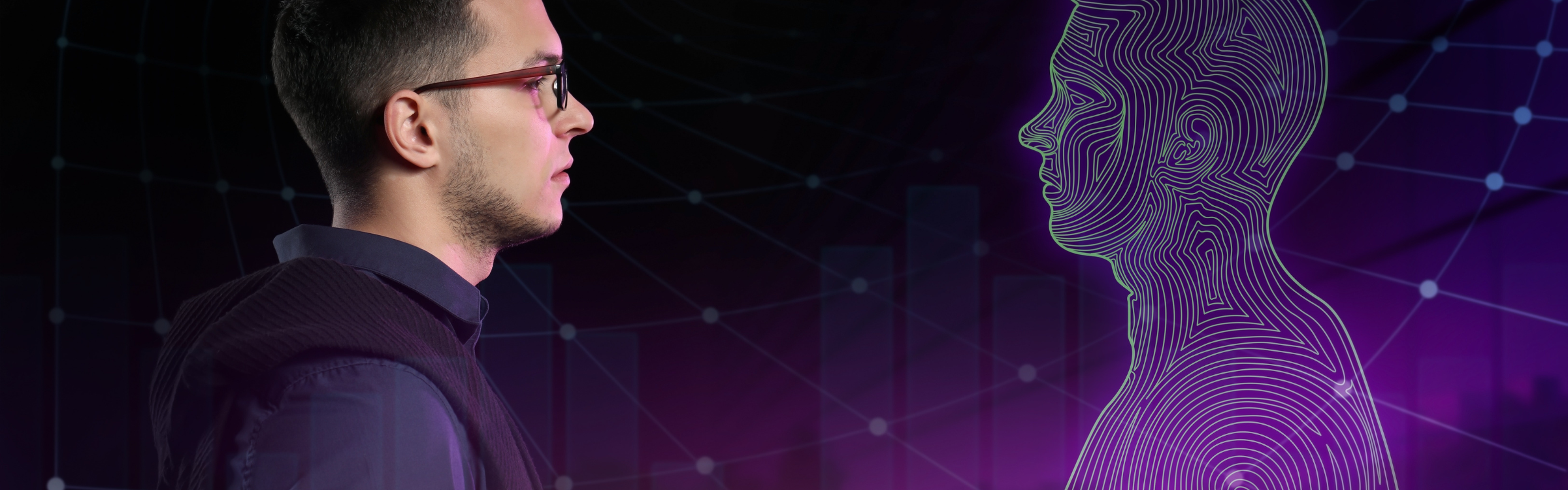
Digital Twin Technology: How Is the Future of Businesses Being Shaped?
Is it possible to know today what a customer will buy in the future? Digital twin technology does exactly that: enabling businesses to simulate not only their operations but also customer behaviors in a virtual environment. With the market expected to reach $36 billion in 2026, this technology is revolutionizing the world of marketing and e-commerce in particular.
What Is a Digital Twin?
A digital twin is a virtual copy of physical assets, processes, or systems connected to real-time data. You can create a live digital model of a machine in your factory, your supply chain, or even your customers' behaviors. This model continuously updates, learns, and provides you with insights about the future.
Use Cases for Digital Twins
Manufacturing and Industry
AI and machine learning are no longer optional components of digital twin systems; they are central to them. Manufacturers can predict machine failures and reduce unplanned downtime by up to 50%. A factory manager can test production line changes on the digital twin and find the most optimal configuration without affecting the real system.
Retail and E-Commerce
Digital twins enable hyper-personalization efforts by simulating consumer behaviors and preferences without compromising personal data. Customers can now try on clothes in virtual fitting rooms, while retail brands optimize store layouts using digital twins.
Healthcare
Hospitals use digital twins to identify bed congestion, optimize staff schedules, and help rooms operate more efficiently. Patient digital twins simulate treatment plans, allowing doctors to select the best therapy without invasive procedures.
Logistics and Supply Chain
Companies simulate different shipping conditions with digital twins to enhance product safety and improve operational efficiency by up to 15%.
Benefits of Digital Twin Technology for Businesses
Businesses that invest in digital twin technology are expected to see a 30% improvement in cycle times for critical processes such as production lines. But the benefits are not limited to efficiency alone:
Cost Savings: The ability to intervene before failures occur through predictive maintenance
Risk Reduction: Replacing costly pilot projects with virtual experiments
Faster Product Development: Testing in a digital environment before moving to physical production
Real-Time Insights: The ability to respond instantly to market changes
Digital Twin and Artificial Intelligence Collaboration
The true power of digital twin technology emerges when combined with artificial intelligence and machine learning algorithms. AI analyzes the data collected from the digital twin to discover patterns and make predictions.
Predictive Analytics: AI models that learn from historical data predict future possible scenarios with high accuracy. A retail chain can determine in advance which products will sell more in which regions by analyzing seasonal trends, local events, and social media trends.
Autonomous Optimization: Digital twin systems optimize themselves with AI support. They automatically adjust many parameters from energy consumption and production speed to pricing strategies and inventory management to increase operational efficiency.
Continuous Learning: Every simulation and real-world interaction makes the system smarter. AI continuously updates with new data, improving prediction accuracy and discovering previously unnoticed relationships.
Revolution in Consumer Behavior and Purchase Decisions
Perhaps the most exciting application of digital twins is understanding and shaping customer behavior. The concept of the "Customer's Digital Twin" (Digital Twin of Customer - DToC) is opening a new era in the marketing world.
Hyper-Personalization: Digital twins can comprehensively analyze consumers' current and past data to identify trends and patterns unique to each individual. This allows brands to send the right offers to the right person at the right time. Instead of generic campaigns, personalized experiences tailored to each customer's behavioral history are now delivered.
Predictive Shopping Experiences: Digital twins enable businesses to build dynamic, hyper-personalized models of individual consumers, reflecting their current behaviors, preferences, and interactions. An e-commerce site can predict what a customer will buy next and suggest it before the customer even searches for it.
Solution to Cart Abandonment: Digital twins can identify exactly at which point customers drop off during their shopping journey. For example, digital twin analysis may reveal that the checkout page is too complex, allowing the business to simplify the process and increase conversion rates.
Transformation of Search and Discovery Habits: Digital twins are also changing the way consumers search for and discover products. Retailers can test changes in store configurations with digital twins and optimize product placements. Virtual store environments simulate which product placement increases customer engagement.
Shaping Purchase Decisions: With digital twins, businesses can simulate the entire customer journey and analyze how different touchpoints influence decision-making. This allows for strategic interventions to guide consumers toward desired actions. For example, the stage at which a customer needs additional information can be identified, and automated support can be offered at exactly that moment.
Privacy-Friendly Personalization: Digital twins can fill gaps in preferences with behavioral pattern-based predictions while protecting customer data. This approach shifts personalization from reactive (based on what customers have already done) to proactive (anticipating what they are likely to want), while respecting privacy boundaries.
Get Ahead of the Competition with Digital Twin Technology
Digital twin technology is no longer just a trend; it has become a necessity for staying competitive. Across industries, digital twins will touch every aspect of operations, from optimizing logistics in retail to improving safety in construction. Digital twins powered by GenAI offer businesses not just the ability to monitor the current state of affairs, but to shape the future.
The question is no longer "should we use digital twins?" but "when do we start?". Because businesses that can anticipate customer behavior, improve operational efficiency, and personalize shopping experiences will stand out in tomorrow's market.
Tags:
Share:


Popular Posts

What is GPT-4? How to Use GPT-4?
Nowadays, artificial intelligence (AI) is increasingly gaining ground in every aspect of our lives. One of the developments in this field is the development of AI models known as large language models (LLM). We will examine the features, capabilities and potential uses of GPT-4.
December 27, 2023 | 4 min

Business Continuity in Crisis, Best Practices for Disaster Recovery
In an increasingly volatile business landscape, resilience and adaptability have become cornerstones of survival and long-term success. Disruptions can range from natural calamities to cyber threats or even a sudden change in market dynamics. How a business prepares for, reacts to, and recovers from these disruptions defines its resilience. This blog post suggests a comprehensive guide on establishing a robust business continuity plan and best practices for disaster recovery to navigate through crises effectively.
22 September 2023 | 3 min read

Unveiling the Power of Data Estimation in Decision Making
In an era of uncertainty and rapidly changing business landscapes, the value of information has never been more pronounced. The utilization of data estimation stands at the forefront of strategic planning and decision-making, enabling organizations to predict trends, identify potential challenges, and align their actions with concrete evidence. This approach ensures a more calculated, insightful, and responsive way of steering business decisions.
August 24, 2023 | 5 min
Permission Management for Data Compliance - How It Raises Your Business' Data Protection Standards
Permission management for data compliance refers to controlling and regulating data access within an organization by relevant data protection regulations and compliance requirements. It involves implementing policies, procedures, and technology solutions to ensure that data is accessed, used, and shared only by authorized individuals or entities and in a manner that complies with legal and regulatory obligations.
July 21, 2023 | 4 min
How CRM and Marketing Automation Can Be Used Together
In today's fast-paced business world, leveraging technology is no longer an option but a necessity. As businesses struggle to stay ahead of the competition, they often rely on advanced tools and technologies to enhance their marketing strategies and streamline their operations. CRM systems and Marketing Automation tools have emerged as game-changers among these.
June 23, 2023 | 4 min

Ultimate Customer Experience with Artificial Intelligent Enhanced Strategies
In today's business environment, customer experience is not just an option but a vital factor for the success of companies. A quality customer experience can strengthen customer loyalty, enhance brand prestige and provide a competitive edge. The emergence of AI-enhanced strategies offers new ways for businesses to improve the customer experience.A quality customer experience can strengthen customer loyalty, enhance brand prestige and provide a competitive edge. The emergence of AI-enhanced strategies offers new ways for businesses to improve the customer experience. By engaging with customers in a more individualized, sensitive, and interactive way, these technologies can help companies deliver a superior customer experience.
June 8, 2023 | 4 min

What Are Software Development Services?
In today's business world, technology is essential for increasing productivity and staying competitive. By utilizing software services, businesses can optimize their processes and become more efficient. Turkey's top technology companies also develop the most appropriate software for their customers by understanding their goals and offering specific solutions.
May 10, 2023 | 5 min
Identity Access Management (IAM)
Identity Access Management (IAM) is a set of technologies, policies, and processes used by an organization to control, manage, and audit users' access to digital resources.
April 28, 2023 | 5 min