
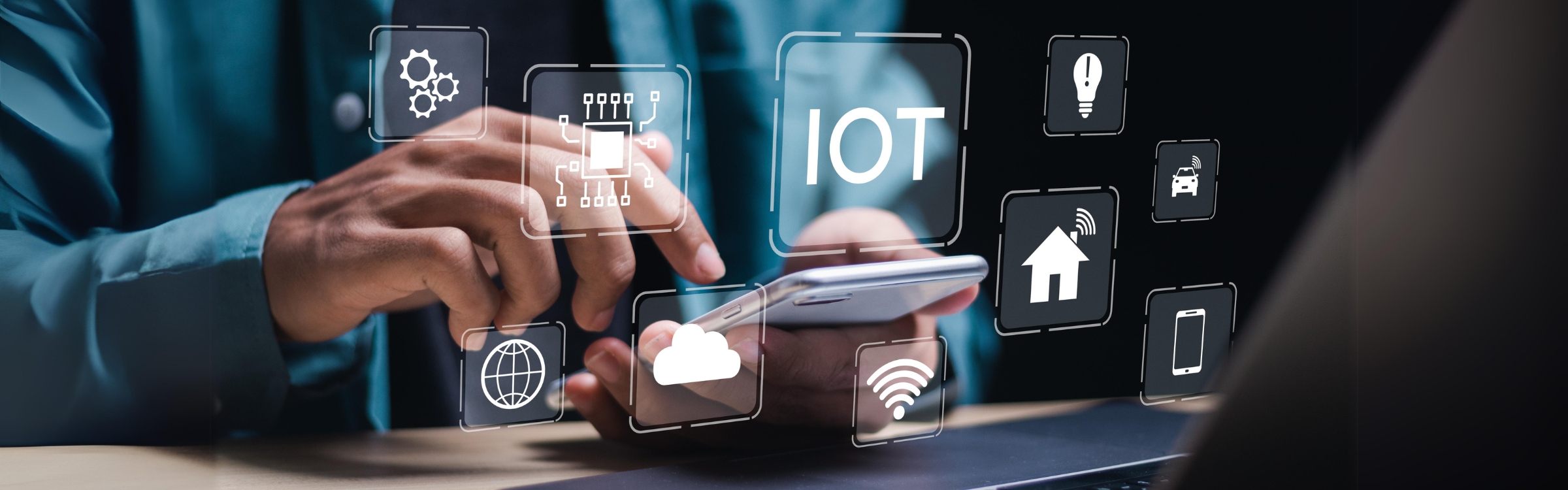
5G and the Internet of Things (IoT): New Application Areas and Innovations
In today’s rapidly advancing technological landscape, the Internet of Things (IoT) and 5G technology are becoming central pillars of digital transformation. IoT connects physical devices to the internet, enabling them to communicate and exchange data. 5G enhances the efficiency of this ecosystem by providing faster and more expansive data transmission. This combination is opening new doors in various sectors, fostering innovation and creating new application areas. This article explores the potential unleashed by the convergence of 5G and IoT, detailing the new application areas and innovations emerging from this synergy.
The Impact of 5G on IoT
5G technology is key to unlocking the full potential of IoT by providing the necessary speed, reliability, and capacity. The core features of 5G include high data transfer rates, low latency, and the ability to connect a large number of devices simultaneously. These features enable IoT devices to function more efficiently and effectively.
High Speed and Low Latency
5G offers gigabit-per-second data transfer speeds, significantly faster than previous networks. This high speed is crucial for IoT applications that require real-time processing of large data volumes. Additionally, 5G's low latency, delivering data transmission in milliseconds, is vital for real-time applications such as autonomous vehicles and industrial automation systems, where immediate data response is critical.
Broad Connectivity Capacity
5G technology supports the connection of many more devices to the network simultaneously, a feature essential for environments with dense IoT device traffic like smart cities, factories, and agricultural areas. The capability to connect millions of devices at once facilitates the development of complex and integrated IoT systems, enhancing the overall efficiency and functionality of these networks.
Reduced Energy Consumption
Energy efficiency is another significant advantage of 5G, particularly for IoT devices that often rely on batteries. 5G optimizes energy use during data transmission, extending battery life and reducing maintenance needs. This feature is especially beneficial for devices deployed in large or remote areas where regular maintenance is challenging.
New Application Areas for 5G and IoT
The advanced capabilities of 5G expand the scope of IoT, leading to the development of new application areas that drive innovation and offer more efficient, secure, and user-friendly solutions across various sectors.
Smart Cities
The integration of IoT and 5G technology is transforming urban living, making smart cities more efficient, sustainable, and livable. Smart lighting systems adjust based on real-time data from sensors on weather conditions and traffic, thereby saving energy. Environmental monitoring systems continuously track air quality and pollution levels, enhancing public health and environmental awareness. The reliable and high-speed connectivity provided by 5G ensures these systems operate seamlessly and efficiently.
Industry 4.0 and Smart Manufacturing
Industry 4.0 signifies the digital transformation of manufacturing, with 5G playing a crucial role in this evolution. Smart factories leverage IoT devices and robotic systems to automate and optimize manufacturing processes. The low latency of 5G allows for real-time communication between machines on the production line, ensuring precision and efficiency. Furthermore, 5G enhances augmented reality (AR) and virtual reality (VR) technologies, expanding possibilities for remote maintenance and training, thereby increasing operational efficiency.
Healthcare
In the healthcare sector, the combination of 5G and IoT is creating new opportunities to enhance patient care and accessibility to medical services. Wearable health devices continuously monitor patient metrics, providing real-time data to healthcare professionals, which is crucial for early diagnosis and treatment. Telemedicine applications enable patients to receive medical consultations from home, easing the burden on healthcare facilities. The low latency of 5G is particularly important for sensitive procedures like remote surgeries, allowing surgeons to perform precise operations in real time.
Smart Agriculture
Smart agriculture leverages 5G and IoT technologies to become more efficient and sustainable. Sensors in agricultural fields monitor soil moisture, weather conditions, and crop health continuously. This data helps farmers optimize irrigation, fertilization, and pesticide application, increasing productivity and reducing costs. 5G's real-time data transmission capabilities allow for faster and more accurate decision-making. Additionally, autonomous farming machinery and drones reduce labor costs and increase operational efficiency by automating agricultural tasks.
Smart Home Systems
Smart home systems integrate IoT devices to make everyday living more comfortable, secure, and energy-efficient. The fast and reliable connectivity of 5G ensures seamless integration of smart thermostats, security cameras, lighting, and entertainment systems. Users can control home systems remotely through mobile devices, monitor energy consumption, and enhance security measures. These systems not only improve quality of life but also offer significant benefits in terms of energy savings and security.
Innovation and Future Perspectives
The combination of 5G and IoT not only enhances existing applications but also paves the way for entirely new services and business models. Technologies such as smart transportation systems, autonomous vehicles, and drones can leverage the low latency and high data speeds of 5G to become safer and more efficient. Furthermore, smart home systems can provide more integrated and personalized solutions, enhancing user experience.
The proliferation of 5G expands the IoT ecosystem, allowing more devices to connect to the internet. This connectivity fosters the use of big data analytics and artificial intelligence (AI) applications, as more data leads to better analysis and predictions. Together, 5G and IoT accelerate digital transformation across various sectors, driving innovation and improving efficiency. Additionally, these technologies can play a vital role in achieving global sustainability goals, including energy efficiency and environmental protection.
Conclusion
The synergy between 5G and the Internet of Things (IoT) holds significant potential to transform our world. This integration not only fosters technological advancements but also promotes change in social, economic, and environmental domains. In sectors such as smart cities, Industry 4.0, healthcare, and agriculture, 5G-powered IoT applications offer new opportunities to enhance efficiency, reduce costs, and improve quality of life.
At Doğuş Teknoloji, we are committed to exploring the opportunities presented by 5G and IoT technologies and delivering innovative solutions to our customers. By investing in future technologies today, we aim to contribute to society with sustainable and intelligent solutions.
To gain a comprehensive perspective on innovative solutions and developments, and to learn more about the latest technologies, click here to explore our data-related articles!
Tags:
Share:


Popular Posts
What is GPT-4? How to Use GPT-4?
Nowadays, artificial intelligence (AI) is increasingly gaining ground in every aspect of our lives. One of the developments in this field is the development of AI models known as large language models (LLM). We will examine the features, capabilities and potential uses of GPT-4.
December 27, 2023 | 4 min

Business Continuity in Crisis, Best Practices for Disaster Recovery
In an increasingly volatile business landscape, resilience and adaptability have become cornerstones of survival and long-term success. Disruptions can range from natural calamities to cyber threats or even a sudden change in market dynamics. How a business prepares for, reacts to, and recovers from these disruptions defines its resilience. This blog post suggests a comprehensive guide on establishing a robust business continuity plan and best practices for disaster recovery to navigate through crises effectively.
22 September 2023 | 3 min read

Unveiling the Power of Data Estimation in Decision Making
In an era of uncertainty and rapidly changing business landscapes, the value of information has never been more pronounced. The utilization of data estimation stands at the forefront of strategic planning and decision-making, enabling organizations to predict trends, identify potential challenges, and align their actions with concrete evidence. This approach ensures a more calculated, insightful, and responsive way of steering business decisions.
August 24, 2023 | 5 min

Permission Management for Data Compliance - How It Raises Your Business' Data Protection Standards
Permission management for data compliance refers to controlling and regulating data access within an organization by relevant data protection regulations and compliance requirements. It involves implementing policies, procedures, and technology solutions to ensure that data is accessed, used, and shared only by authorized individuals or entities and in a manner that complies with legal and regulatory obligations.
July 21, 2023 | 4 min

How CRM and Marketing Automation Can Be Used Together
In today's fast-paced business world, leveraging technology is no longer an option but a necessity. As businesses struggle to stay ahead of the competition, they often rely on advanced tools and technologies to enhance their marketing strategies and streamline their operations. CRM systems and Marketing Automation tools have emerged as game-changers among these.
June 23, 2023 | 4 min
Ultimate Customer Experience with Artificial Intelligent Enhanced Strategies
In today's business environment, customer experience is not just an option but a vital factor for the success of companies. A quality customer experience can strengthen customer loyalty, enhance brand prestige and provide a competitive edge. The emergence of AI-enhanced strategies offers new ways for businesses to improve the customer experience.A quality customer experience can strengthen customer loyalty, enhance brand prestige and provide a competitive edge. The emergence of AI-enhanced strategies offers new ways for businesses to improve the customer experience. By engaging with customers in a more individualized, sensitive, and interactive way, these technologies can help companies deliver a superior customer experience.
June 8, 2023 | 4 min

What Are Software Development Services?
In today's business world, technology is essential for increasing productivity and staying competitive. By utilizing software services, businesses can optimize their processes and become more efficient. Turkey's top technology companies also develop the most appropriate software for their customers by understanding their goals and offering specific solutions.
May 10, 2023 | 5 min
Identity Access Management (IAM)
Identity Access Management (IAM) is a set of technologies, policies, and processes used by an organization to control, manage, and audit users' access to digital resources.
April 28, 2023 | 5 min